
 +86 18721624519
No ražošanas līdz patēriņam: veiksmīgi saules enerģijas bāzes staciju piemēri attālā Āfrikā
Kā Highjoule risina problēmu "Nav tīkla, nav signāla" visā Subsahāras Āfrikā
Runājot par bāzes staciju izvietošanu Āfrikā, atkal un atkal rodas viens sāpīgi reālistisks jautājums:
Kā telekomunikāciju bāzes stacija var darboties bezgalīgi bez stabila elektrotīkla?
Īpaši Mauritānijā, Nigērā, Kenijas iekšzemē un līdzīgos reģionos tūkstošiem objektu saskaras ar vienu un to pašu problēmu kopumu:
- Nav piekļuves komunālo pakalpojumu tīklam
- Pārmērīgi augstas dīzeļdegvielas transporta izmaksas
- Ekstremāli klimatiskie apstākļi (dedzinošs karstums + smilšu vētras)
- Ierobežoti ekspluatācijas un uzturēšanas resursi
Ņemot vērā iepriekšminēto, saules enerģijas + enerģijas uzglabāšanas + dīzeļdegvielas hibrīdsistēma (integrēta saules enerģija, enerģijas uzglabāšana un dīzeļdegviela) pakāpeniski ir kļuvusi par dominējošo energoapgādes arhitektūru ārpus tīkla esošajām bāzes stacijām Āfrikā. Šajā rakstā, izmantojot Highjoule reālos projektu piemērus, tiek analizēts, kā stabila elektroapgāde tiek panākta Āfrikas attālākajos punktos.
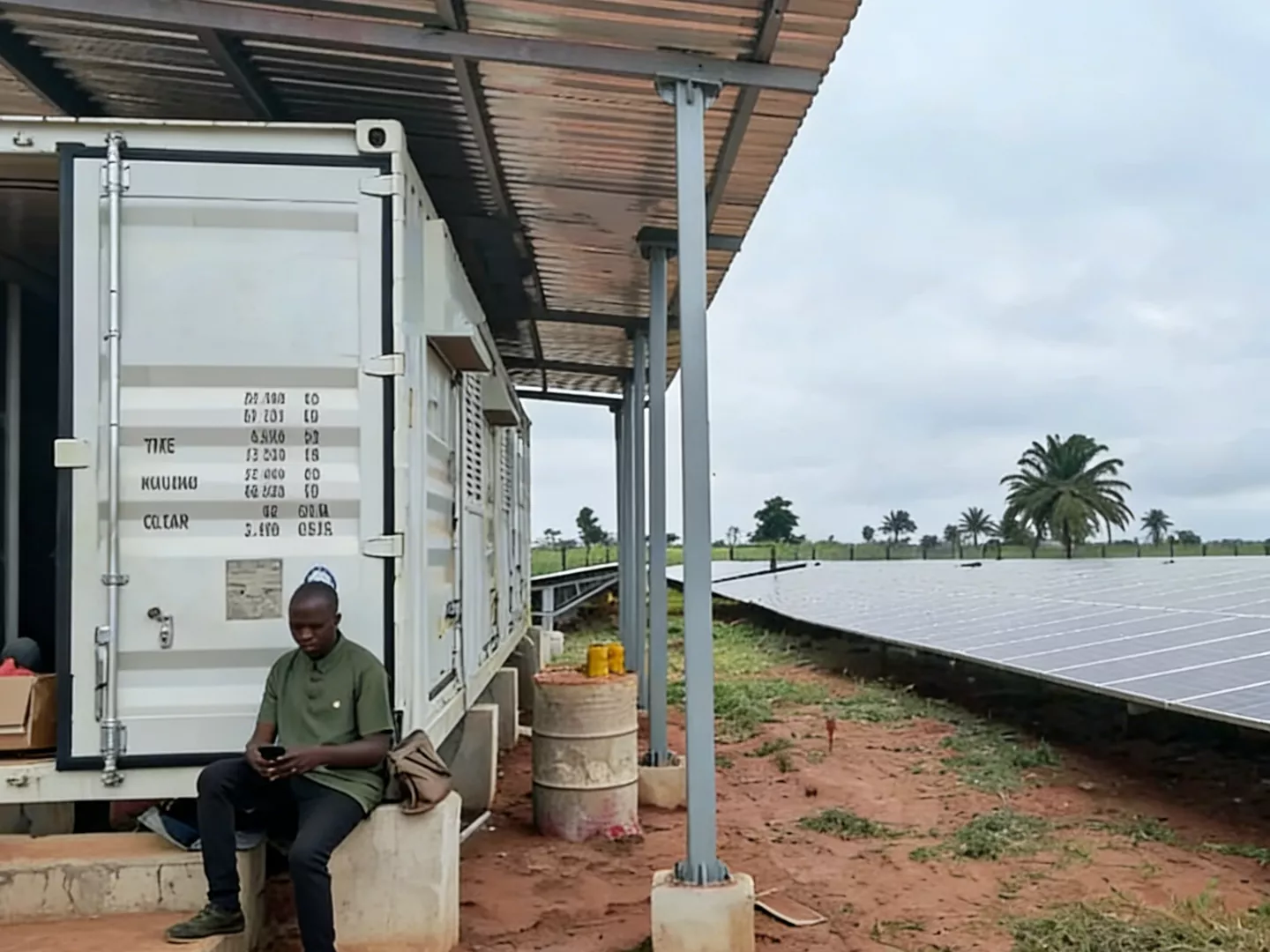
1. sadaļa: Āfrikas bāzes staciju reālā enerģijas problēma
Bāzes stacijas darbināšana daudzās Āfrikas valstīs nav tik vienkārša kā "pieslēgt un darbināt". Tā ir sistēmiska enerģētikas problēma, ko var iedalīt trīs savstarpēji saistītās problēmās:
1. Nepietiekams tīkla pārklājums
- Lielām teritorijas daļām nav nekāda valsts mēroga tīkla
- Tur, kur režģis pastāv, tas ir hroniski nestabils
2. Pārmērīga atkarība no dīzeļdegvielas
- Degviela ir jāpārvadā ar krāvējiem lielos attālumos
- Loģistikas izmaksas vien var pārsniegt elektroenerģijas ražošanas izmaksas
- Degvielas trūkums = objekta darbības pārtraukums
3. Ārkārtīgi lielas ekspluatācijas un uzturēšanas grūtības
- Vietnes ir ģeogrāfiski izkliedētas
- Manuālās pārbaudes cikli ir gari un dārgi
- Kļūdu reakcijas laiki ir lēni
Secinājums: Āfrikā uzticama enerģijas padeve ir vēl grūtāk risināma problēma nekā pašas sakaru aparatūras iegūšana.
2. sadaļa: Vadošais risinājums — integrētas saules enerģijas uzglabāšanas un dīzeļdegvielas sistēmas
Visnobriedušākais un visplašāk izmantotais risinājums Āfrikas bāzes stacijām mūsdienās ir trīs avotu hibrīda arhitektūra:
Saules fotoelektriskais elements + akumulatora enerģijas uzkrāšana + dīzeļģenerators
Darbības loģika ir eleganti vienkārša:
| avots | Loma |
| Saules PV | Primārais dienas barošanas avots |
| Bateriju uzglabāšana | Nosedz nakts pieprasījumu un izlīdzina svārstības |
| Diesel Generator | Avārijas rezerves kopija ekstremāliem laikapstākļiem |
3. sadaļa: Haidžoula gadījuma izpēte — Mauritānijas telekomunikāciju bāzes stacijas
Tālāk ir sniegts reāls ieviešanas gadījums ārpus tīkla esošām telekomunikāciju vietnēm:
| Projekta atrašanās vieta | Mauritānija, Rietumāfrika |
| Lietojumprogrammas scenārijs | Bezvadu barošanas avots attālinātām telekomunikāciju bāzes stacijām |
| Projekta mērogs | Izvietotas 7 integrētas energosistēmas vienības |
| Vietnes nosacījumi | Nav komunālo pakalpojumu tīkla / ārkārtējs karstums / spēcīgas smilšu vētras iedarbība |
3.1. Projekta mērķi
Projekta galvenie mērķi bija skaidri definēti:
- Nodrošiniet uzticamu elektroapgādi objektiem bez piekļuves elektrotīklam
- Uzlabojiet bāzes stacijas darbības stabilitāti un darbības laiku
- Ievērojami samazināt dīzeļdegvielas patēriņu un ar to saistītās loģistikas izmaksas
- Nodrošina ilgtermiņa bez uzraudzības autonomu darbību
Būtībā: uzturēt telekomunikāciju bāzes staciju dzīvu, stabili un bezgalīgi, zonā bez elektroapgādes infrastruktūras.
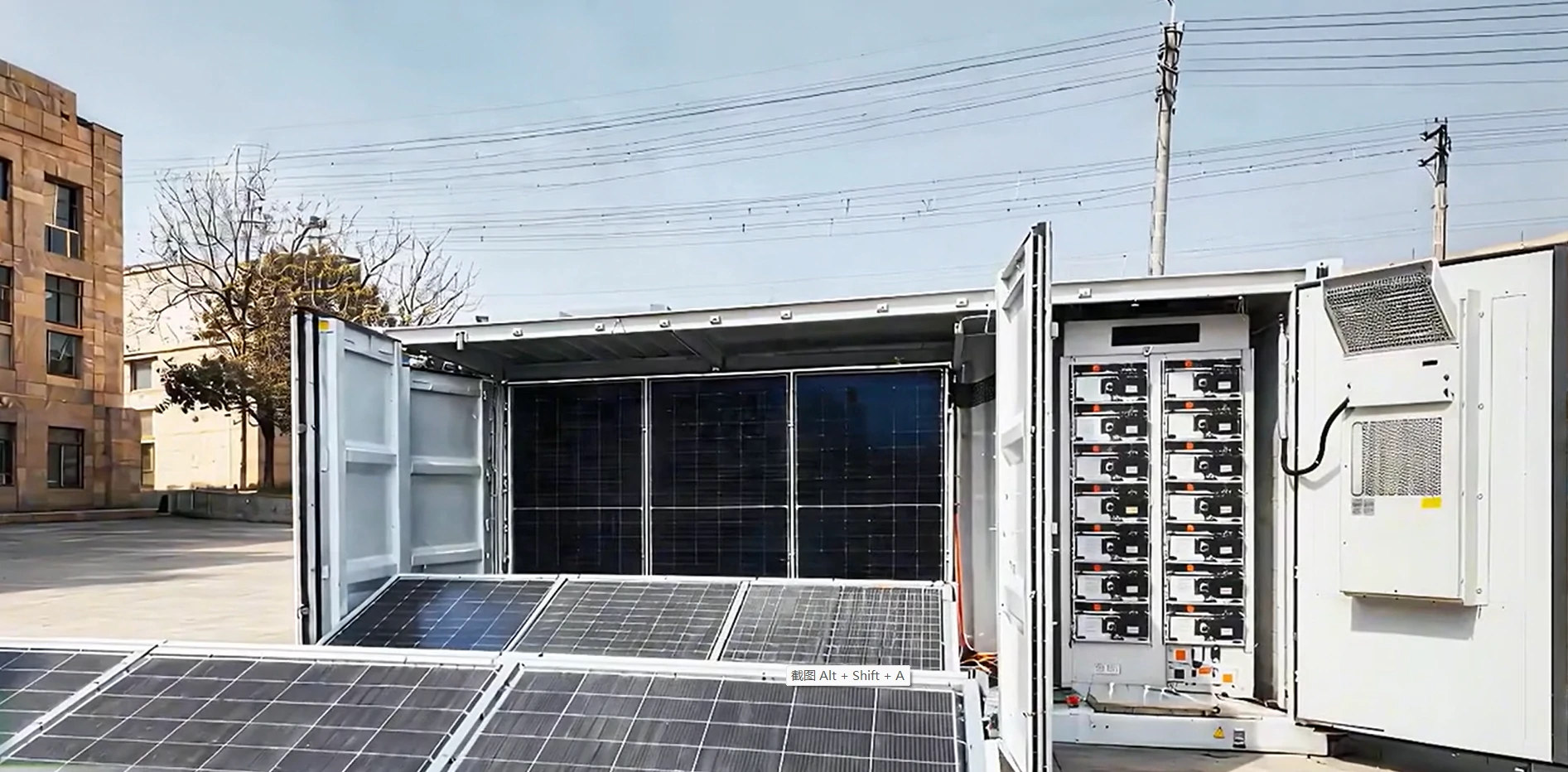
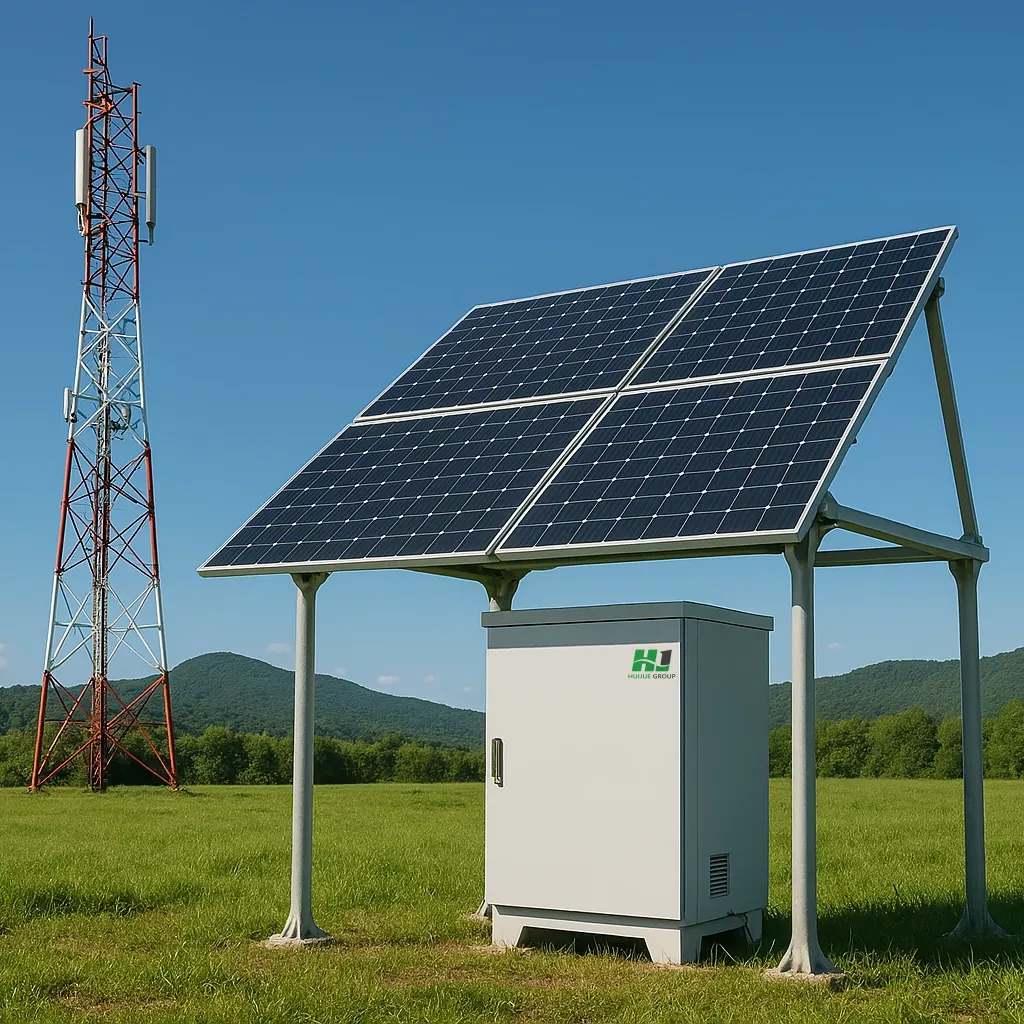
3.2 Sistēmas arhitektūras projektēšana (saules enerģijas uzglabāšanas un dīzeļdegvielas integrācija)
Projektā tiek izmantota klasiska trīs avotu saplūšanas arhitektūra:
Saules fotoelektriskā sistēma (primārais enerģijas avots)
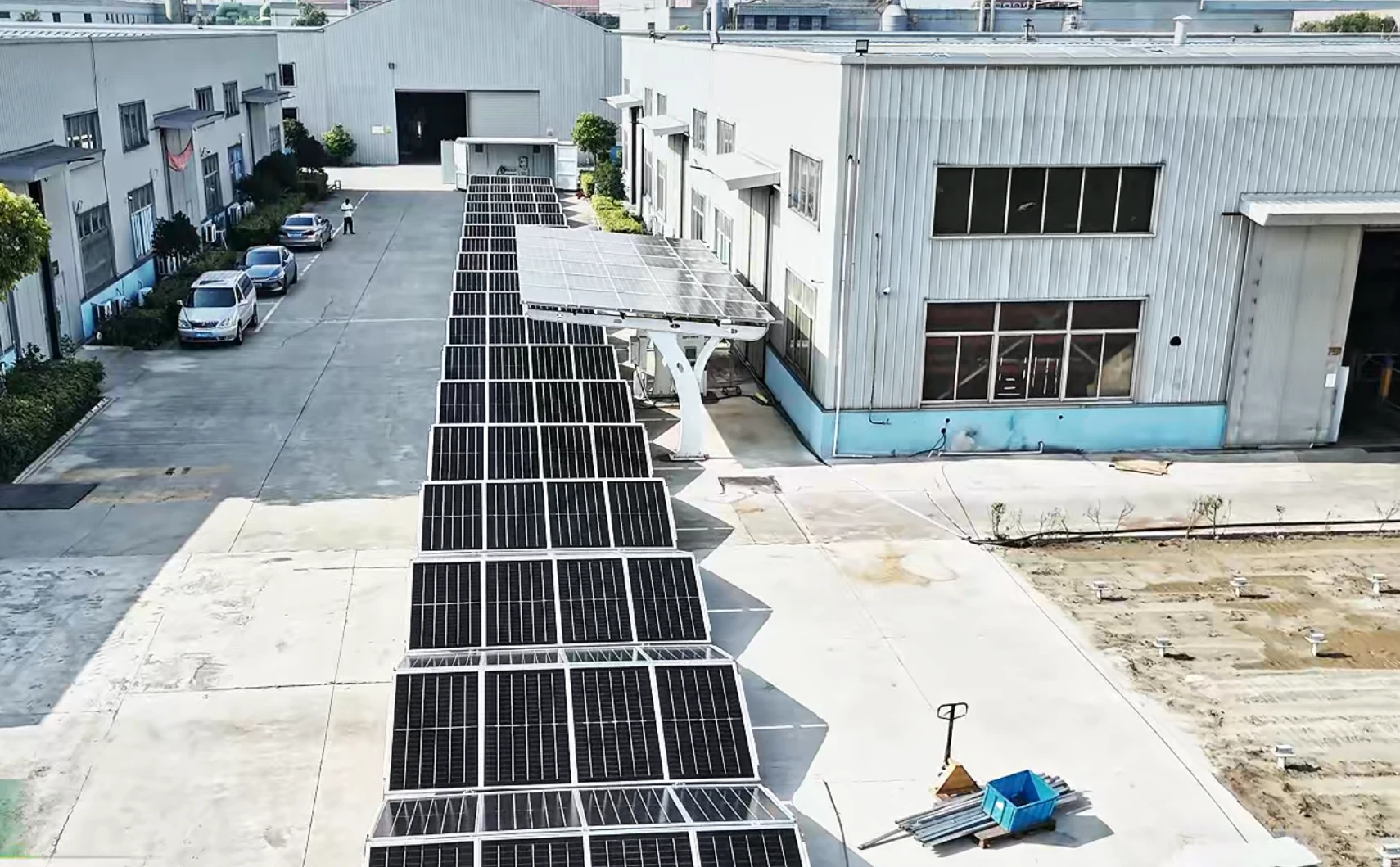
- Vairāki PV moduļu bloki ar pielāgotām montāžas konstrukcijām
- Prioritāra dienas padeve + vienlaicīga akumulatora uzlāde
Akumulatora enerģijas uzkrāšanas sistēma (galvenais buferis)
- LFP (litija dzelzs fosfāta) akumulatoru sistēma
- 48 V telekomunikāciju standarta arhitektūra
- Paplašināta dziļā cikla iespēja ar augstas uzticamības dizainu
Funkcijas:
- Nakts barošanas avots
- Mākoņainas dienas kompensācija
- Dīzeļģeneratora ieslēgšanās biežuma samazināšana
Dīzeļģenerators (pēdējā aizsardzības līnija)
- 16 kW / 20 kVA kluss āra dīzeļģenerators
- Inteliģenta automātiskā ieslēgšanas/apturēšanas vadība
Funkcijas:
- Rezerve ilgstošiem mākoņainiem periodiem
- Maksimālās slodzes papildināšana
- Sistēmas galīgais drošības tīkls
3.3. Galvenā aprīkojuma konfigurācija (inženierijas līmeņa sadalījums)
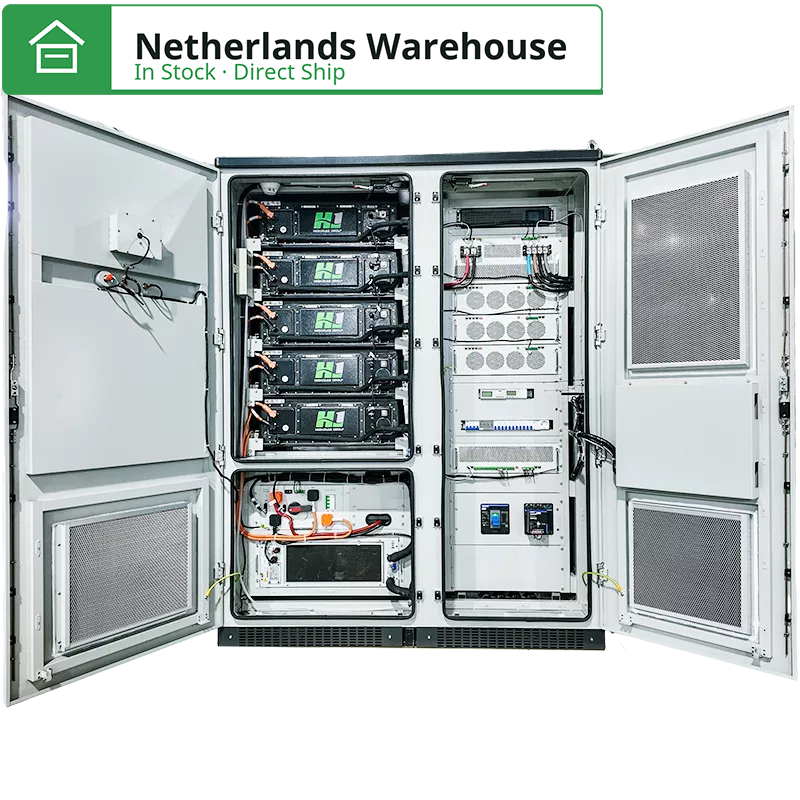
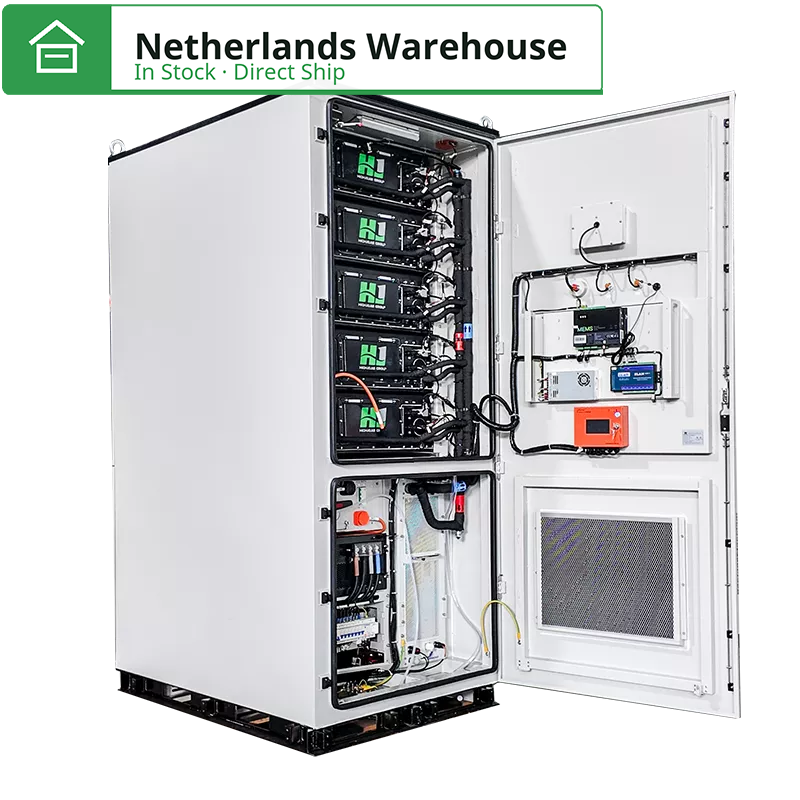
| Komponents | Specifikācijas/funkcijas |
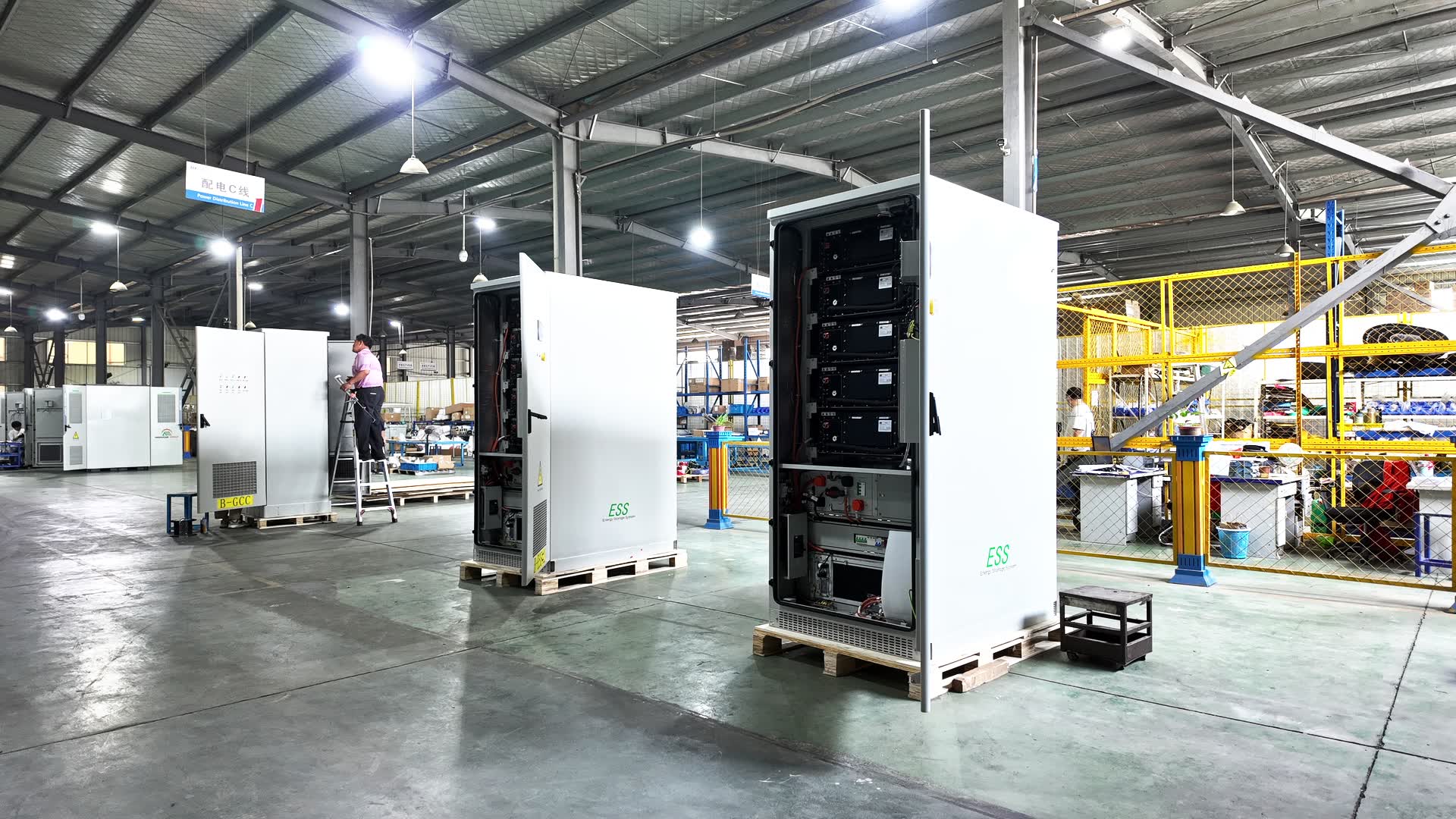
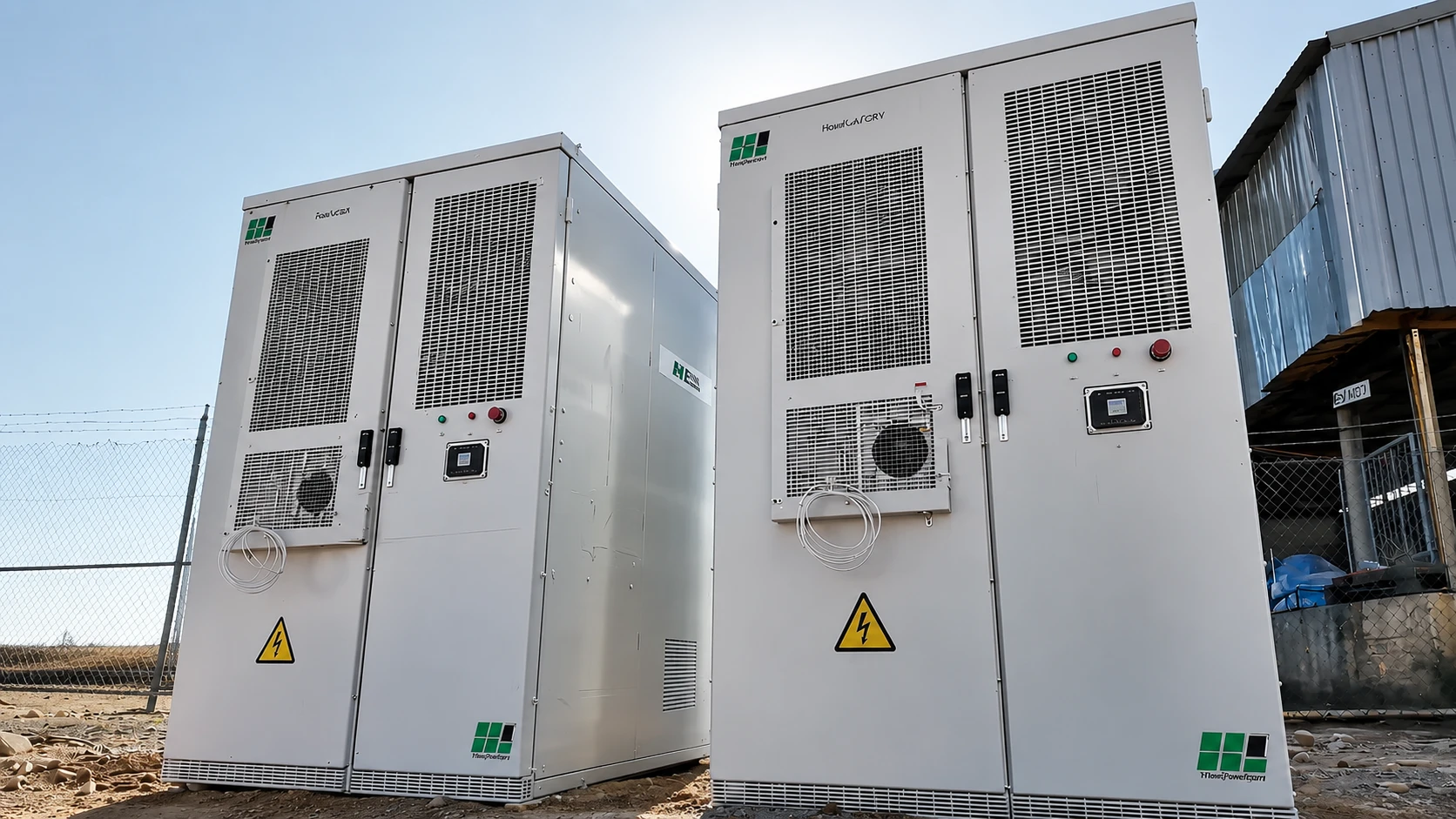
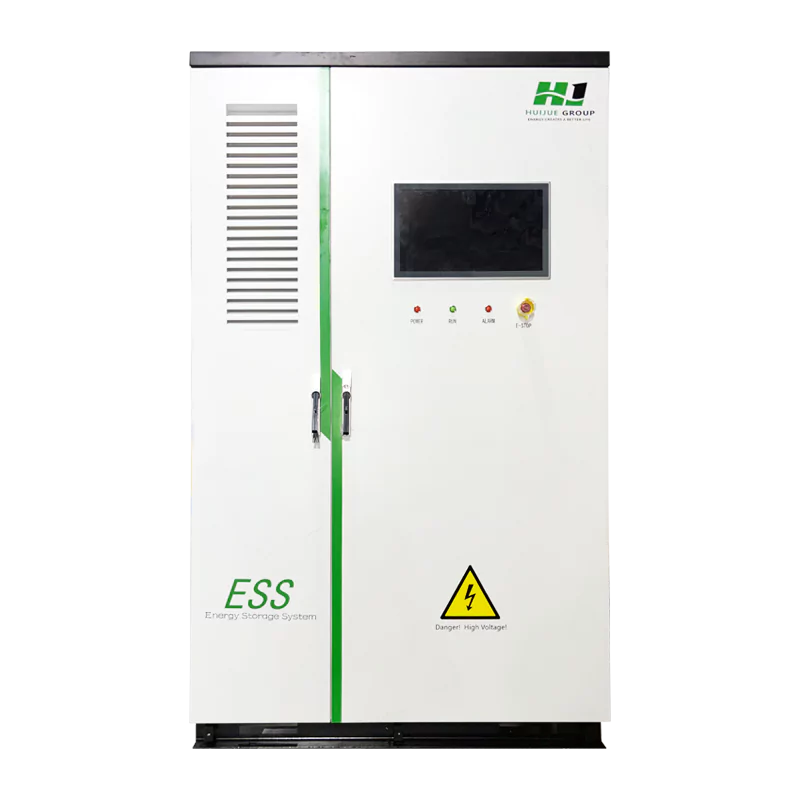
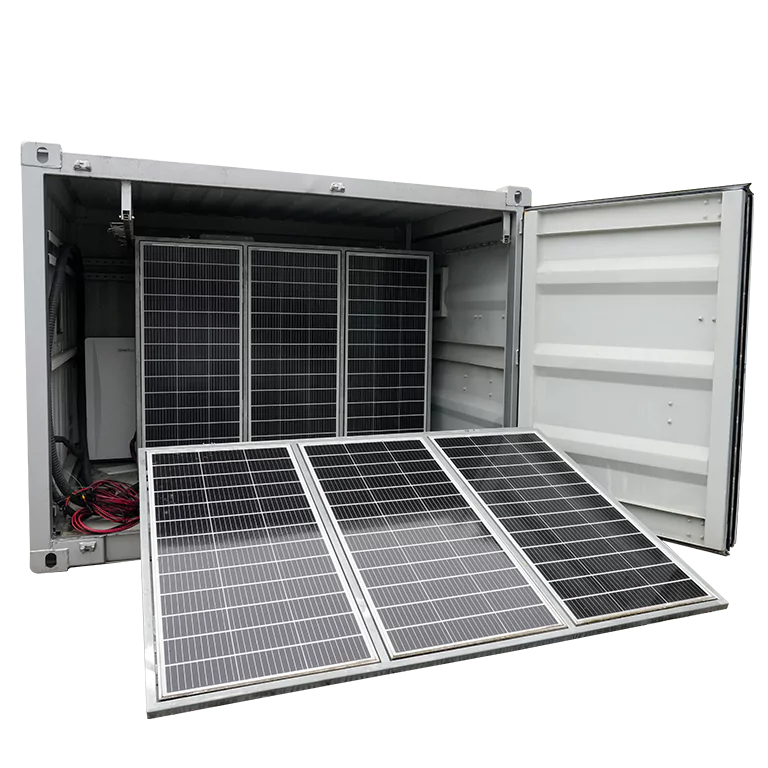
| Āra kabinets | 2000 × 1500 × 800 mm; cinkots tērauds; paredzēts ārkārtējam karstumam + smilšu iekļūšanai |
| Termiskā vadība | 4 × 48 V līdzstrāvas ventilatori; vieda termostata vadība; novērš pārslodzi augstas temperatūras dēļ |
| Akumulatora sistēma | LFP ķīmija; ilgs cikla mūžs; optimizēta nepārtrauktai telekomunikāciju bāzes slodzei |
| Neatliekamās medicīniskās palīdzības dienests / FSU | Modelis EMS-B2010; sprieguma, strāvas un uzlādes līmeņa (SOC) uzraudzība reāllaikā; PV/akumulatora/ģeneratora automātiska pārslēgšana |
| Fotoelektriskie un elektroenerģijas sadales avoti | PV moduļi + plauktu konstrukcija; taisngrieža modulis + sadales bloks; vienota vairāku avotu ieejas pārvaldība |
4. sadaļa: Kā sistēma nodrošina nepārtrauktu barošanu
Projekta galvenais sasniegums nav iekārtu sakraušana — tā ir enerģijas sadales loģika:
| Mode | Kā tas darbojas |
| Dienas laikā | Saules fotoelementi ir prioritārā padeve; vienlaikus uzlādē akumulatoru bloku; dīzeļģenerators paliek izslēgts |
| Nakts laiks | Akumulatora izlāde, lai nodrošinātu nepārtrauktu bāzes stacijas darbību |
| Ārkārtas laika apstākļi | Ilgstošs apmācies laiks → dīzeļdzinējs automātiski ieslēdzas, pārņem slodzi, novērš objekta darbības pārtraukumus |
Rezultāts: Trīs enerģijas avoti nodrošina savstarpēju redundanci, panākot patiesu darbību bez dīkstāves.
5. sadaļa: Projekta vērtība
- Nodrošina pārklājumu ārpus tīkla — nodrošina telekomunikāciju savienojamību apgabalos, kas iepriekš nebija sasniedzami ar tīkla palīdzību
- Palielina stabilitāti — vairāku avotu dublēšana novērš atsevišķus kļūmes punktus
- Samazina atkarību no dīzeļdegvielas — ievērojami samazina degvielas lietošanas biežumu un kopējās loģistikas izmaksas
- Samazina ekspluatācijas un uzturēšanas slogu — attālināta uzraudzība apvienojumā ar automatizētu vadību aizstāj dārgu manuālu iejaukšanos
6. sadaļa: Kāpēc šis risinājums ir lieliski piemērots Āfrikai
Āfrikas bāzes staciju energosistēmām ir trīs kopīgas raksturīgās iezīmes:
- Ģeogrāfiski izkliedēti
- Pēc noklusējuma bezsaistes režīmā
- Grūti uzturēt manuāli
Saules enerģijas uzglabāšanas un dīzeļdegvielas hibrīdsistēma precīzi atbilst katrai no šīm prasībām:
- Darbojas pilnībā neatkarīgi no ārējās infrastruktūras
- Pārvaldīts attālināti ar minimāliem apmeklējumiem uz vietas
- Automātiski pārslēdzas starp enerģijas avotiem bez cilvēka iejaukšanās
7. sadaļa: Āfrika pāriet no “dīzeļdegvielas ēras” uz “saules enerģijas uzglabāšanas ēru”
Pierādījumi no lauka liecina par trim skaidrām makro pārmaiņām Āfrikas telekomunikāciju enerģijas ainavā:
| # | no | Uz |
| 1 | Dīzeļdzinēju dominējošā paaudze | Saules PV aizstāšana |
| 2 | Manuāla lauka apkope | Inteliģenta tālvadības uzraudzība |
| 3 | Atkarība no viena enerģijas avota | Vairāku enerģijas avotu papildināmība |
Trajektorija ir skaidra: integrētā saules enerģijas uzglabāšanas un dīzeļdegvielas sistēma strauji kļūst par faktisko standartu Āfrikas bāzes staciju jaudai.
8. iedaļa: Secinājums
Mauritānijas projekts apstiprina kritisku secinājumu:
Āfrikas attālajos reģionos neviens atsevišķs enerģijas avots nevar ilgtermiņā uzturēt telekomunikāciju bāzes staciju. Saules enerģijas + enerģijas uzglabāšanas + dīzeļdegvielas hibrīdsistēma ir visuzticamākais mūsdienās pieejamais risinājums.
Āfrikas bāzes staciju galvenais jautājums vairs nav "Vai pastāv tīkls?", bet gan "Vai pastāv integrēta saules enerģijas uzglabāšanas un dīzeļdegvielas enerģijas sistēma?".
Par Highjoule grupu
“Highjoule Group” specializējas integrētos enerģijas uzkrāšanas risinājumos ārpus tīkla un vāja tīkla lietojumprogrammām. Mūsu produktu portfelis aptver mājsaimniecības enerģijas uzkrāšanu, komerciālo un rūpniecisko enerģijas uzkrāšanu, kā arī saules enerģijas uzkrāšanas uzlādes integrētās sistēmas. Galvenās tehnoloģiju priekšrocības ietver mākslīgā intelekta darbinātu enerģijas prognozēšanu, vairāku objektu pārvaldību un attālinātu ekspluatāciju un apkopi. Mūsu sistēmas tiek aktīvi ieviestas visā Āfrikā, Dienvidaustrumāzijā, Tuvajos Austrumos un citos reģionos, palīdzot telekomunikāciju operatoriem un uzņēmumiem panākt uzticamu, autonomu un inteliģentu elektroapgādi pasaules vissarežģītākajos apstākļos.